
Sneak peak at the new gotcha! homepage!See More arrow right

Brand Strategy vs. Bad Strategy: How to Set Your Business Up for Success

A strong brand strategy can make or break a business. In today’s highly competitive market, brands that stand out are the ones with a well-defined strategy that connects with their audience, differentiates from competitors, and delivers a consistent message. However, not all strategies lead to success—many brands fall into the trap of bad strategy, which results in confusion, lost revenue, and poor customer loyalty.

Your Brand Is More Than a Logo—But Let’s Start There. Take a step back and look at your logo objectively. What feeling does it give you? Better yet, ask people around you—friends, employees, even customers. Do their responses align with what you want your brand to represent?
And it’s not just about the visuals. Your brand has a voice. Read through the content on your website, your emails, even your customer support messages. How does your brand “speak”? Is it fun and authoritative? Is it cold and rigid? Does it connect with your audience in a way that builds trust?
Because here’s the truth—a bad brand strategy isn’t just forgettable. It’s damaging. If your message is inconsistent, your identity unclear, or your promise unfulfilled, you’re not just missing out on customers—you’re pushing them away.

If your brand equates to the experience customers have with you personally, or only with a key sales rep, that’s a weak brand—and you could be in trouble. Think about it like this: when my clients stopped asking for me all the time and just trusted that anyone at my company could help them, I graduated from the basement to the ground floor.

A strong brand isn’t dependent on one person. It’s bigger than any single employee—it’s an ecosystem where customers trust the entire company, not just an individual. So, where does your brand stand? Are you building a business that scales, or are you the bottleneck?
Let’s talk about how to break free.

What Is a Brand Strategy?

A brand strategy is a long-term plan that shapes how a business is perceived in the market. It encompasses more than just a logo or tagline—it’s the complete blueprint for building brand awareness, customer loyalty, and competitive advantage.

Key components of a strong brand strategy include:

Brand Purpose & Mission: Why does your brand exist beyond making a profit? What problem are you solving?
Target Audience: Who are your ideal customers, and what do they care about?
Brand Positioning: What makes you different from competitors, and how do you communicate that difference?
Messaging & Voice: What’s your brand personality, and how do you consistently communicate it across all platforms?
Customer Experience: How do customers interact with your brand, and what kind of emotional connection do they build?
Visual Identity: How do your logo, colors, typography, and design reinforce your brand’s message?

When executed well, a brand strategy leads to brand recognition, customer trust, and business growth.

What Is a Bad Strategy?

A bad strategy is often reactionary, inconsistent, and lacks a clear purpose. Many businesses struggle because they either don’t have a strategy at all or make common mistakes that weaken their brand identity.

Common signs of a bad strategy include:

Lack of Clear Differentiation: A generic brand that doesn’t stand out from competitors.
Inconsistent Messaging: Frequent changes in tone, voice, and branding that confuse customers.
Chasing Trends Without Purpose: Jumping on every new marketing trend without aligning with core brand values.
Ignoring Customer Needs: Focusing too much on the product and not enough on the customer’s pain points.
Poor Execution: Even a great idea can fail if it’s not executed properly.

Businesses with weak brand strategies often struggle to build lasting customer relationships and end up losing market relevance.

Examples of Good Brand Strategy vs. Bad Strategy

Good Strategy: Apple
Apple is a masterclass in branding. Their brand strategy is centered around:
Clear Purpose: Apple’s mission revolves around innovation and user-friendly technology.
Strong Brand Identity: Consistent messaging, minimalist design, and premium positioning.
Customer-Centric Approach: Apple understands its customers and builds products that meet their expectations.
Effective Marketing: Iconic campaigns that focus on the experience, not just the product.
Apple’s ability to maintain consistency while evolving with technology has made it one of the most valuable brands in the world.

Bad Strategy: New Coke (Coca-Cola, 1985)
Lack of Market Understanding: Coca-Cola changed its formula based on blind taste tests but didn’t account for emotional brand attachment.
Ignoring Customer Loyalty: Fans of the original Coke felt betrayed and rejected the new product.
Brand Confusion: Instead of reinforcing Coca-Cola’s brand identity, New Coke diluted it.
Outcome: The company had to revert to its original formula in just a few months.
This serves as a classic example of how ignoring customer sentiment can lead to a brand crisis.

How to Avoid a Bad Brand Strategy

Know Your Audience – Research your customers and understand what they truly need.
Stay Consistent – Your messaging, visuals, and customer experience should align across all channels.
Differentiate Your Brand – Find what makes your brand unique and highlight it.
Be Authentic – Don’t just follow trends; ensure your strategy aligns with your core values.
Measure and Adjust – Track performance and refine your strategy based on data.

A strong brand strategy is intentional, customer-focused, and adaptable, while a bad strategy is often reactionary, inconsistent, or lacks a clear vision. By learning from successful brands and avoiding common pitfalls, businesses can build a strong, recognizable brand that stands the test of time.
Investing in the right strategy today will ensure your brand remains competitive and relevant for years to come.


Stop Selling: The Key to Marketing Success in Today’s World

In the fast-paced, ever-evolving landscape of modern marketing, one principle stands out as a game-changer: stop selling. This may seem counterintuitive. After all, isn’t the entire purpose of marketing to sell products or services? Yes and no. While sales are the ultimate goal, the path to achieving them has fundamentally shifted. Today, consumers are savvier, more skeptical, and more informed than ever. The hard-sell tactics of yesteryear are no longer effective. Instead, the most successful marketers focus on building trust, providing value, and fostering genuine connections.

The Shift in Consumer Behavior

The digital revolution has fundamentally changed how consumers interact with brands. Gone are the days when a flashy advertisement or a persuasive salesperson could seal the deal. Today’s consumers have access to endless information at their fingertips. They research products, read reviews, and compare options long before making a purchasing decision.
In this environment, traditional sales tactics often come across as pushy or inauthentic. Consumers are more likely to tune out or even distrust brands that prioritize selling over solving problems. This shift necessitates a new approach: one that prioritizes the customer’s needs, desires, and pain points above all else.

The Philosophy of “Stop Selling”

“Stop selling” doesn’t mean abandoning the goal of revenue generation. Instead, it’s about rethinking how you achieve that goal. Here are the core tenets of this philosophy:

1. Focus on Value: Instead of promoting your product’s features, emphasize how it can improve the customer’s life or solve their problem.

2. Build Relationships:
Long-term success comes from nurturing trust and loyalty, not chasing quick wins.

3. Educate and Empower:
Equip your audience with the knowledge they need to make informed decisions. When they feel confident, they’re more likely to choose your brand.

4. Prioritize Authenticity:
Be transparent and genuine in your communication. Authenticity breeds trust, and trust leads to sales.

Practical Strategies to Implement “Stop Selling”

1. Content Marketing That Adds Value
• Create blog posts, videos, and guides that address common questions or challenges your audience faces. For example, if you sell skincare products, share tips on building a skincare routine or understanding ingredients.
• Position yourself as a trusted resource, not just a vendor.

2. Storytelling
• People connect with stories, not sales pitches. Share the story behind your brand, highlight customer success stories, or showcase your impact on the community.
• Stories humanize your brand and make it relatable.

3. Social Media Engagement
• Use platforms like Instagram, TikTok, or LinkedIn to interact with your audience authentically. Respond to comments, engage in conversations, and share behind-the-scenes content.
• Avoid constant promotion; focus on building community.

4. Solve Problems, Don’t Push Products
• Listen to your audience’s pain points and tailor your messaging to address them.
• Show how your product or service fits into their lives rather than forcing it upon them.

5. Leverage Email Marketing for Relationship Building
• Create email sequences that educate, entertain, and engage rather than just selling. Share helpful tips, exclusive insights, or stories that resonate with your audience.

Real-World Examples

HubSpot
HubSpot revolutionized inbound marketing by offering free resources, tools, and educational content. They focus on helping businesses grow rather than pushing their software. As a result, they’ve built a loyal customer base and a globally recognized brand.

Apple
Apple’s marketing rarely focuses on selling. Instead, they highlight how their products improve lives, inspire creativity, or solve problems. Their ads and campaigns evoke emotions and connect with their audience on a deeper level.

Patagonia
Patagonia prioritizes sustainability and social responsibility in its messaging. They focus on their mission and values rather than simply selling clothing. This authenticity resonates with consumers and drives loyalty.

The Benefits of “Stop Selling”

When you embrace this approach, the benefits are multifold:

1. Increased Trust: Customers trust brands that prioritize their needs over profits.
2. Stronger Loyalty: When customers feel valued and understood, they’re more likely to stick with your brand.
3. Higher Engagement: Authentic, value-driven content generates more interest and interaction.
4. Sustainable Growth: Instead of short-term sales spikes, you’ll achieve consistent, long-term success.

Conclusion

In today’s world, marketing success isn’t about selling harder; it’s about selling smarter. By focusing on value, authenticity, and relationships, you can build a brand that not only attracts customers but retains them for the long haul. Remember, the best way to sell is to stop selling.

Enhancing Your Website’s Look and User Experience: Design Best Practices

In today’s digital age, your website serves as the face of your brand. A visually appealing and user-friendly website not only attracts visitors but also keeps them engaged, ultimately driving conversions and business growth. In this blog post, we’ll explore design best practices that enhance your website’s look and user experience (UX), ensuring it stands out in a crowded online landscape.

Understand Your Audience

Before diving into design elements, it’s crucial to understand your target audience. Conduct thorough research to identify their preferences, behaviors, and needs. This insight will guide your design decisions, ensuring that your website resonates with your visitors.

Tip: Create user personas to visualize different segments of your audience and tailor the design accordingly.

Use a Clean and Consistent Layout

A clean layout enhances readability and navigability. Consistency in design elements such as colors, fonts, and spacing fosters a cohesive look and feel.

Tip: Stick to a limited color palette and a maximum of two to three fonts to maintain consistency.

Optimize Navigation for Ease of Use

Intuitive navigation is key to a positive user experience. Visitors should effortlessly find the information they seek without feeling overwhelmed.

Best Practice: Implement a clear and straightforward menu structure, use descriptive labels, and include a search bar for easy access to content.

Choose the Right Color Scheme and Typography

Colors and fonts significantly impact the visual appeal and readability of your website. Select a color scheme that aligns with your brand identity and evokes the desired emotional response.

Tip: Use contrasting colors for text and background to enhance readability. Choose typography that is legible across all devices.

Prioritize Mobile Responsiveness

With over half of all web traffic coming from mobile devices, mobile responsiveness is non-negotiable. A responsive design ensures that your website looks and functions seamlessly across various screen sizes.

Best Practice: Utilize flexible grids, scalable images, and media queries to adapt your layout for mobile users.

Incorporate High-Quality Images and Graphics

Visual elements like images, icons, and illustrations can convey your message more effectively than text alone. High-quality visuals make your website more engaging and professional.

Best Practice: Optimize images for web to ensure fast loading times without compromising quality. Use relevant graphics that support your content.

Enhance Page Load Speed

A slow-loading website can frustrate users and increase bounce rates. Optimizing page load speed is essential for retaining visitors and improving search engine rankings.

Tip: Compress images, leverage browser caching, and minimize the use of heavy scripts to boost your site’s performance.

Implement Clear Call-to-Actions (CTAs)

Effective call-to-actions guide users towards desired actions, such as making a purchase, signing up for a newsletter, or contacting you for more information.

Best Practice: Use contrasting colors for CTAs, place them strategically on the page, and use action-oriented language to encourage clicks.

Ensure Accessibility for All Users

An accessible website caters to all users, including those with disabilities. Adhering to accessibility standards not only broadens your audience but also improves overall user experience.

Tip: Use semantic HTML, provide alternative text for images, ensure sufficient color contrast, and enable keyboard navigation.

Test and Iterate Regularly

Design is an ongoing process. Regular testing and iteration help identify areas for improvement and adapt to changing user needs.

Best Practice: Conduct A/B testing, gather user feedback, and utilize analytics tools to monitor performance and make informed design decisions.

Conclusion

Enhancing your website’s look and user experience involves a combination of aesthetic appeal and functional design. By implementing these design best practices, you can create a website that not only attracts visitors but also keeps them engaged and drives meaningful interactions. Remember, a well-designed website is a powerful tool that reflects your brand’s values and commitment to providing a seamless user experience.

The Power of Creating a Website with a Strong Funnel

In today’s digital-first world, having a website is no longer optional for businesses—it’s a necessity. But simply having a website isn’t enough. To truly succeed, your website needs to be a well-oiled machine designed to convert visitors into leads, and leads into loyal customers. This is where the concept of a strong funnel comes into play. A website funnel guides visitors through a carefully crafted journey, addressing their needs and building trust at every stage. The result? Increased engagement, better conversion rates, and long-term business growth.

Understanding the Website Funnel

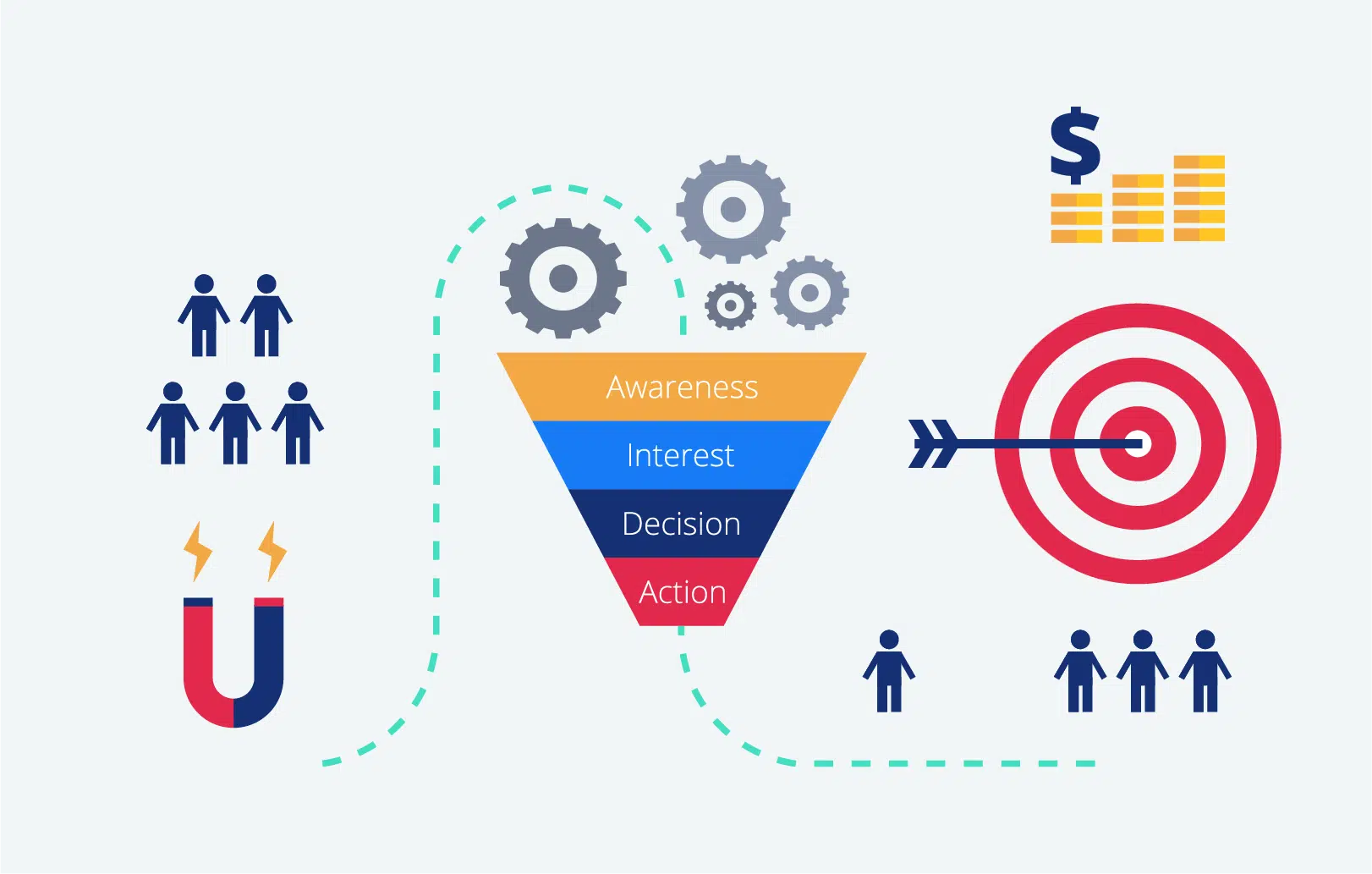
A website funnel, also known as a sales or marketing funnel, is the series of steps a visitor takes on your site to achieve a specific goal, such as making a purchase, signing up for a newsletter, or scheduling a consultation. The funnel typically consists of four stages:
Awareness: Attracting visitors to your website through marketing channels such as social media, search engines, and email campaigns.
Interest: Engaging visitors with valuable content, clear messaging, and an intuitive design.
Decision: Persuading visitors to take a specific action by addressing their pain points and showcasing your value.
Action: Converting visitors into customers or leads through optimized calls-to-action (CTAs) and seamless user experiences.
Each stage of the funnel requires a strategic approach to ensure visitors progress smoothly from one step to the next.

Why a Strong Funnel Matters

A strong website funnel is crucial for maximizing the ROI of your online presence. Here’s why:

1.Improved User Experience: A well-designed funnel provides visitors with a clear path, reducing confusion and frustration.
2.Higher Conversion Rates: By guiding visitors through a targeted journey, you increase the likelihood they’ll take the desired action.
3.Data-Driven Insights: Funnels allow you to track user behavior and identify areas for improvement, enabling continuous optimization.
4.Scalability: A strong funnel can handle increased traffic without sacrificing performance, making it an essential tool for growth.

Building an Effective Website Funnel

Creating a strong website funnel requires thoughtful planning and execution. Here are the key components:

1.Clear Objectives • Define the primary goal of your funnel. Is it to generate leads, drive sales, or increase sign-ups? Clarity in your objectives will shape the rest of your strategy.
2.Target Audience Research • Understand your audience’s needs, pain points, and preferences. This knowledge will inform your content, design, and messaging.
3.Compelling Content • Create content that resonates with your audience at each stage of the funnel. For example, blog posts and videos for the awareness stage, case studies for the decision stage, and testimonials for the action stage.
4.User-Friendly Design • Ensure your website is visually appealing, easy to navigate, and mobile-friendly. A cluttered or confusing design can derail even the best funnel.
5.Strategic CTAs • Place clear and persuasive CTAs throughout your website. Use action-oriented language and emphasize the benefits of taking the next step.
6.Landing Pages • Create dedicated landing pages for specific campaigns or offers. These pages should be focused, relevant, and optimized for conversions.
7.Lead Magnets • Offer valuable resources such as eBooks, templates, or free trials in exchange for visitors’ contact information. This helps you capture leads and nurture them over time.
8.Analytics and Testing • Use tools like Google Analytics and heatmaps to track user behavior and identify drop-off points. Regularly test and optimize your funnel elements to improve performance.

Real-World Examples of Strong Website Funnels

1. Shopify Shopify’s website funnel is a masterclass in simplicity and effectiveness. Their homepage immediately communicates value and directs visitors to start a free trial. Throughout the funnel, they use clear CTAs, customer success stories, and personalized recommendations to guide users toward becoming customers.

2. HubSpot HubSpot leverages an extensive library of free resources to attract and engage visitors. Their funnel seamlessly transitions from educational content to lead generation, with targeted CTAs and a user-friendly experience.

3. Airbnb Airbnb’s website funnel focuses on building trust and removing barriers. They use high-quality visuals, personalized search filters, and clear messaging to guide users from browsing to booking.

Common Pitfalls to Avoid

While building a website funnel, watch out for these common mistakes:

1.Lack of Clarity: If visitors can’t understand your value proposition or next steps, they’re likely to leave.
2.Too Many Distractions: Avoid cluttered pages with excessive links, pop-ups, or irrelevant content.
3.Ignoring Mobile Users: Ensure your funnel is fully optimized for mobile devices, as a significant portion of traffic comes from smartphones.
4.Neglecting Follow-Up: A funnel doesn’t end at conversion. Use email campaigns and retargeting ads to nurture leads and encourage repeat business.

Conclusion

A website with a strong funnel is more than just a digital presence—it’s a strategic asset that drives measurable results. By understanding your audience, crafting compelling content, and optimizing each stage of the funnel, you can transform your website into a powerful tool for growth. Whether you’re a small business or a large enterprise, investing in a strong website funnel is one of the smartest decisions you can make in today’s competitive marketplace. Start building your funnel today and watch your business thrive.

The Future of Web Design: How AI, AR, and VR are Transforming User Experiences

The world of web design is evolving faster than ever, driven by emerging technologies that are setting new standards for user interactivity, personalization, and engagement. Innovations in Artificial Intelligence (AI), Augmented Reality (AR), and Virtual Reality (VR) are reshaping what’s possible, creating websites that are dynamic, immersive, and intelligently responsive. Let’s explore how these technologies are shaping the future of web design and redefining user experience.

Artificial Intelligence (AI) in Web Design

AI is making a tremendous impact on web design by optimizing how sites are built, personalized, and optimized for user interaction. Here’s how:

Automated Design Processes: AI-powered design tools, such as Adobe Sensei and Wix’s ADI (Artificial Design Intelligence), are transforming web development by automating layout and content generation. This automation speeds up the design process and allows designers to focus on more strategic tasks, making web design faster and more accessible.

Data-Driven User Personalization: AI enables highly personalized experiences by collecting and analyzing user data to tailor site elements to individual preferences. For example, AI can track browsing habits to adjust content, product recommendations, and even visual elements, creating an experience that feels customized for each user. This personalization significantly improves engagement and retention.

AI-Powered Chatbots and Virtual Assistants: AI chatbots have become standard on websites across various industries. These virtual assistants can handle inquiries, provide recommendations, and offer real-time support, significantly enhancing the user experience. Chatbots are particularly valuable in eCommerce, where they guide users through the shopping journey, answer questions, and help with product selection—all while operating 24/7.

SEO Optimization and Content Insights: AI tools like Jasper and SurferSEO assist in content optimization, enhancing visibility and ranking on search engines. These tools analyze keywords, suggest content improvements, and even forecast performance, making AI invaluable for driving organic traffic.

Augmented Reality (AR) and Immersive User Experiences

AR is adding an entirely new dimension to web design by blending digital information with the physical world. Here’s how AR is elevating the user experience:

Enhanced Product Previews: AR allows users to visualize products in their environment before purchasing. Retail giants like IKEA and Amazon use AR to let customers “place” furniture or décor in their homes through their devices. This not only makes shopping more interactive but also boosts buyer confidence.

Interactive and Engaging Content: AR transforms static web elements into dynamic, interactive features. Users can engage with content in a way that feels tangible and memorable. For example, brands can use AR to create interactive ads or product demos, leading to higher engagement rates.

Accessible AR Through Web Browsers: Traditionally, AR required dedicated apps, which created barriers to adoption. However, advancements in WebAR technology are making AR accessible directly through web browsers, eliminating the need for app downloads. As this technology advances, we can expect more websites to incorporate AR for seamless, immersive experiences that are easy for users to access.

Virtual Reality (VR) in Web Design

While VR is often associated with gaming, it’s finding new applications in web design, creating fully immersive digital experiences that offer a “hands-on” feel.

Creating Immersive Environments: VR allows websites to offer digital spaces where users can interact as if they were physically present. Real estate, for example, has adopted VR to provide virtual property tours, allowing potential buyers to explore properties remotely. Similarly, travel sites can use VR to give users a “taste” of destinations, creating an emotional connection that drives engagement.

Enhanced User Interaction: VR takes interactivity to new levels, encouraging users to engage deeply with content. Through 3D navigation and interactive elements, VR-driven web pages can guide users through virtual product demonstrations or educational experiences that foster a greater understanding of the brand or product.

VR for eCommerce and Learning: VR is proving particularly useful in eCommerce and e-learning. In online retail, VR allows users to “try on” products like clothing and accessories, bridging the gap between physical and digital shopping. For education, VR can create virtual classrooms and simulations, making online learning more engaging and effective.

How These Technologies Impact UX and UI

The incorporation of AI, AR, and VR in web design significantly impacts both UX (user experience) and UI (user interface) design by pushing designers to rethink how they structure and deliver content:

Shaping User Expectations: As users become accustomed to smarter, more immersive websites, their expectations for interactivity and personalization grow. Designers must now consider how to incorporate AI-powered features and AR/VR elements without sacrificing usability or accessibility. Sites that fail to meet these evolving standards risk being seen as outdated or unappealing.

Balancing Performance and Accessibility: Adding AR/VR and AI components can increase load times and create accessibility challenges. Designers must balance these rich features with performance optimization techniques, such as lazy loading and responsive design, to ensure fast and inclusive experiences. This balance is crucial as users expect quick-loading, visually engaging sites that are accessible across devices.

The Future of Web Design is Here

The future of web design is undeniably exciting, shaped by technologies that empower users to interact with sites in more personalized, immersive ways. AI, AR, and VR are not just trends; they’re transforming web design into a realm of intelligent, responsive, and engaging digital experiences. As these technologies continue to evolve, forward-thinking designers and businesses will leverage them to create the next generation of websites that captivate, inform, and convert.

By staying attuned to these advancements and thoughtfully incorporating them, you can ensure your website remains competitive, relevant, and ready for the future.

10 Essential Elements of Custom Branding for Small Businesses

In today’s competitive market, custom branding for small businesses can stand out and build a loyal customer base by creating a brand that reflects their unique identity, values, and services. While branding might seem overwhelming, a well-thought-out brand strategy tailored to your small business can be the differentiator in attracting and retaining customers. Here’s a breakdown of ten essential elements to establish and solidify your custom brand.

1. Brand Mission and Values

Every brand needs a mission — a core purpose that defines why it exists beyond just making a profit. This purpose should be infused with values that reflect your small business’s ethics and guiding principles. When clearly defined, your mission and values serve as a compass, providing consistency and authenticity across all branding efforts.

2. Unique Selling Proposition (USP)

What makes your business unique? A well-crafted USP is critical for establishing why customers should choose your brand over competitors. Your USP could be about the quality of your products, exceptional customer service, sustainability practices, or something else entirely. A strong USP helps potential customers instantly understand what they gain from choosing your business.

3. Brand Voice and Tone

Your brand voice defines how you communicate with your audience, while the tone adjusts to fit various situations. Whether your brand voice is friendly, professional, witty, or empathetic, it should be consistent across all channels. For instance, a coffee shop brand might use a warm, casual tone to create a welcoming vibe, while a financial consultant might opt for a professional and trustworthy voice.

4. Target Audience Persona

To craft a brand that resonates, you need to understand your ideal customers. Develop personas that reflect your target audience’s demographics, preferences, and pain points. This insight allows you to tailor messaging, products, and services to meet your audience’s specific needs, ultimately creating stronger connections and brand loyalty.

5. Logo and Visual Identity

A memorable logo and cohesive visual identity are foundational for brand recognition. This includes selecting a color palette, fonts, and design elements that represent your brand’s essence. Consistent use of these visual elements on all materials — from your website and social media to packaging — reinforces brand identity and builds trust over time.

6. Compelling Storytelling

Customers love to hear the story behind a brand. Use storytelling to communicate your brand’s journey, values, and the problem-solving mindset that brought your business to life. Storytelling can be shared through content like blog posts, videos, or social media captions to help your audience connect emotionally with your brand.

7. Customer Experience

Customer experience is at the heart of successful branding. This includes every interaction, from the ease of navigating your website to the quality of service your team provides. A positive customer experience turns one-time buyers into loyal fans. Focus on creating smooth, enjoyable, and reliable interactions that make customers feel valued.

8. Consistent Messaging Across Platforms

Inconsistency in messaging can confuse potential customers and dilute your brand. Keep your core messages consistent across platforms, whether it’s your website, social media, email marketing, or even in-store signage. Consistency reinforces your brand’s image and assures customers of what they can expect from your business.

9. Brand Positioning

Positioning is how you place your brand in the minds of consumers relative to competitors. Are you an affordable option, a luxury brand, or an eco-conscious choice? Identify where you want to stand in the market and craft messaging that reinforces this position, ensuring it aligns with the needs and values of your target audience.

10. Adaptability and Evolution

Branding is not static. Markets change, consumer preferences evolve, and your brand should be flexible enough to adapt. Keep an eye on trends, listen to customer feedback, and be willing to update your brand elements (logo, website design, messaging) to stay relevant while staying true to your core identity.

Final Thoughts

Custom branding for small businesses goes beyond a catchy logo or slogan — it’s about creating a memorable identity that resonates with customers and communicates the essence of your business. By focusing on these essential elements, your brand can develop a lasting impact that not only attracts but retains customers, allowing your small business to grow steadily in a competitive market.