Coming Soon: g!Sites™ - Your website, built by gia™ in minutes. Join the Waitlist

2016 Web Design Trends

web design

The following 2016 web design trends will keep you informed of what to expect in the ever-changing tech industry.

Author credit: Amber Leigh Turner

Design trends often span several years (even decades for some types of design), but Web design is a quickly moving and changing industry where trends come and go quite often.

We’re still working with some of those trends now: responsive web design, flat design, performance and speed, and perfecting the user experience. However, what are some of the new and emerging trends we can expect to see in 2016?

Let’s look through some of the trends we can expect to see more of this year.

Navigation and Menus:As a Web designer myself, I’ve noticed we just can’t seem to get the navigation or menu of a website down. We keep playing with it, experimenting, and doing different things to get it to work well and be useful.

We do things such as put it in a new and unexpected place, hide it behind a hamburger icon (a trend I mentioned for 2015), or just throw it up there because we know it is needed but it doesn’t look very good.

We struggle to figure out exactly the best way to showcase this important piece of content to make it usable no matter the screen it’s being viewed on. We continue to experiment in ways to figure out what works best. For example, Shellshock above is experimenting with both the hamburger icon menu reveal with a card inspired layout for their navigation.

Expect to see more experimentation as we work through trying to figure out how to do navigations and menus well.

Scrolling: Have we reached the point where scrolling increases readership, but we want less scrolling? Possibly. For 2016, I anticipate some sites going with minimal scrolling while others embracing the long scroll.

There are benefits and drawbacks to both: long scrolling feels natural and is easier than clicking but it spaces out content and makes it harder to scan to find info while shorter scroll gets to the point quickly but it may be so quick that causes bounce rates to increase.

Above, Uppercase has opted to go with a no-scroll site. What you see in the screenshot is what their site currently loads. All of what you need is right there without needing to scroll further.

It will be interesting to see the scrolling battle play out in 2016 and which one comes out on top. Currently, there are more long scrolling sites than shorter scrolling sites, but only time will tell which is truly the best way to consume content.

Module design: Have we reached the point where scrolling increases readership, but we want less scrolling? Possibly. For 2016, I anticipate some sites going with minimal scrolling while others embracing the long scroll.

There are benefits and drawbacks to both: long scrolling feels natural and is easier than clicking but it spaces out content and makes it harder to scan to find info while shorter scroll gets to the point quickly but it may be so quick that causes bounce rates to increase.

Above, Uppercase has opted to go with a no-scroll site. What you see in the screenshot is what their site currently loads. All of what you need is right there without needing to scroll further.

It will be interesting to see the scrolling battle play out in 2016 and which one comes out on top. Currently, there are more long scrolling sites than shorter scrolling sites, but only time will tell which is truly the best way to consume content.

Flat design: With responsive design pretty much taken over the Web, expect a flat design to continue to be a dominate design aesthetic throughout 2016. Not only will there be websites that launch with flat designs, those sites that’ve already embraced the flat design trend will look to make things even flatter.

Take for example Google’s logo. The company changed its logo to make it flatter (losing the bevels) and changed the font. It found that a cleaner sans-serif font for its logo helped cut the size of the logo file used on sites by more than half. Google also found that it was easier to read on smaller devices.

This includes updates to logos (like Google), icons, images, and other elements that maybe didn’t get fully flattened the first first time. You can thank the drive and determination to get our websites to load faster and snappier, weigh less, and get content to viewers more effectively.

Material design: Google released its Material design language back in June 2014 but the adoption has been a bit slow. However, designers now have a better understanding of the Material design and I anticipate they will start opting to use it more in their designs as documentation and examples become more widespread.

The material design focuses on tactile but dynamic elements that remind us of paper and ink. Shadows that are realistic, items that overlap do so with regards to reality, interactions stay inside of the material and don’t impact other material around it.

Since we’ve seemed to have reached peak flat design, designers are opting for the next thing, and Google offers that up in their Material design language. I anticipate many more sites to follow this same material design aesthetic in 2016.

Ditch stock elements: We’re starting to see more and more websites ditching the use of stock elements such as stock photography and icon sets over something that feels much more designed and personal to the site itself.

Some websites are opting for using their own photography for use on their home pages or blog posts instead of picking a stock photo. Other websites are ditching stock photography for videos, infographics, or even GIFs to help convey their message. For example, Flatiron Health has opted for their own photography in areas of their website to help be more inviting and personable and less corporate.

Icon sets are another stock element that’s being dropped in favor of something more custom. There are thousands of sets out there, so it’s easy just to pick one and run with it, but for designers, they’re noticing that little extra touch to create custom icons can help set a site apart from others.

Full screen forms: Much like I talked about a year ago with responsive Web design practices being carried throughout an entire website instead of just the mobile versions, this trend also has come from the wide-spread adaptation of responsive website design.

More sites and apps are going with the full-screen forms and input screens (such as signups and logins) instead of it existing in only one small part of the site. Click on “login” and or “contact” and you may be greeted with a full-screen overlay with the form needed instead of being sent to a different page. A great example of this is Eighty East’s contact form. When clicking “contact” you get a full-screen contact form.

As mentioned above, this trend comes from responsive design best practices for several reasons: keeps another screen from being loaded, gives more screen space for easier touch by fingers on touch screens, and encourages users to complete the form (for those forms that present one input at a time).

Animations: As Web design is flattening out, websites are starting to look more and more alike. One way designers have been trying to help make their sites stand apart from the crowd is through the use of rich, clever but subtle animations throughout.

Designers are opting for changing the everyday animations we’ve all grown accustomed to but still serve a purpose. For example, Slack’s own loading screen takes that boring circle loading animation and ditches it for a custom loading animation featuring Slack’s own logo. It still serves the purpose of letting the user know it’s working, but in a clever and rich way.

Better function: Users are caring more about how a site functions than looks
Having a nice design site is great and all, but it really doesn’t matter all that much if your site doesn’t function well. Users are becoming more keenly aware of when something doesn’t work properly on a website.

It’s becoming more common for users to leave a website because they’ve encountered something that isn’t working well for them. Imagine how bad this could be for an e-commerce site?

Designers want their sites to look good, so it’s important that they can make the site function properly as well. Give the people what they want: function and design.

Designing in browser: Some Web designers currently design only in the browser. There are benefits to this: cuts development time down, allows you to see the limitations and reactions of the actual browser with regards to the design, and is more natural than designing in a program that has nothing to do with the Web.

It’s pretty common for Web designers to know how to code at least the front end of websites (HTML/CSS/JS), so designing in the browser makes sense to them. With the trend of Web design moving out of Photoshop, Illustrator, and Sketch and into the browser more, I anticipate many other Web designers starting to work on their HTML and CSS chops.

What are some design trends you anticipate for 2016?

Why Fresh Content Matters

Many web page owners wonder what the purpose of fresh content is. Fresh can mean a few different things, from a new way of thinking, to something just produced. “Fresh content” is really a combination of both. Here’s a look at what creating fresh website content can do to help drive traffic, and why it’s a bigger deal than you think.

How Often You Should Create Content?

Figuring out how frequently you should post on social media or post fresh content is the first step in setting your blogging and social efforts up for success. At bare minimum you should strive to publish a blog once per month, and post on social media several times per week. This will keep your audience updated on your brand happenings and also keep them interested in the future of your company. This helps to build brand loyalty and will hopefully increase your amount of mobile shoppers.

Don’t expect your content marketing strategy to have instant results. If you do, you’re just setting yourself up for failure, because most marketing strategies take a significant amount of time to reap any reward. There really is no such thing as an overnight success with blogging and having a social media presence. If you are diligent and continuous in your efforts and reformulate your posts as necessary you should eventually see a rise in both page views and web prominence, and your site will (as an ultimate goal) be considered an authority on your topic. Google results will favor your website, and your website traffic and lead generation will flow. It’s all about the content and keeping the cycle going.

What Should You Write About?

Finding topics to write about can be a task all in itself. It helps to have an editorial process in place so that you have some basic guidelines to begin your content production. In addition to the area of interest you should first establish the type of content you’ll be writing, and a goal word count for each piece. This will help you figure out how many contributors you might need on board, as well as how you might filter certain topics so that you have enough information to write a relevant piece.

Research on your industry can help you figure out what to write about when you begin blogging. You should also study and look at other websites and see what they are publishing. If there’s something happening going on in your industry, writing a blog is a newsworthy way to approach it. New employees, new products, recognition, awards, events, etc. are all easy topics you can tie into a monthly editorial calendar.

Should You Recycle Content?

Recycling or repurposing content is the practice of sharing and posting content over and over again. If you have an article that is evergreen, meaning not likely to ever change in relevance or importance, recycling your content on social media is an ideal way to increase site traffic, without expending more writing efforts in creating fresh content. Play around to find an ideal balance between evergreen content and topics that are trendy and of the moment. When you mix both timeless and fresh content together you create web content that is valuable, resourceful, and just a little different.

Why Content Matters

Fresh content matters because Google is constantly seeking new content in all of its search updates. It doesn’t matter if it’s Panda or any other Google update, if your website isn’t constantly producing website content there will be nothing new for the search engines to crawl. This means you will eventually lose your place in search result rankings and that will affect your visitors, hence your website traffic. How many pages do you scroll through after searching a topic? Most people click the results that appear on the first page.

Writing web content is essential if you want to keep a place in the vastly, ever-changing digital world.
Do you need help developing a digital marketing or web content strategy? Contact the SEO experts at gotcha! Mobile Solutions today.

Marketing Tips for the New Facebook Emojis

Need a few marketing tips for the new Facebook emojis? While the simplistic icons seem rather harmless, you can say a lot and hear a lot about your brand, just by interacting with these digital expressions.

Understanding your customers is key if you want to run a successful business. Businesses that have a social presence have the ability to tune in to their customers and also gain valuable insights on what products or services might soon be in demand.

Facebook is a popular tool for businesses that want to interact with their repeat or potential customers on a social channel, all while sharing pictures, stories and events that are of interest to the brand. Giving customers an intimate peek into your company can help encourage loyal shoppers.

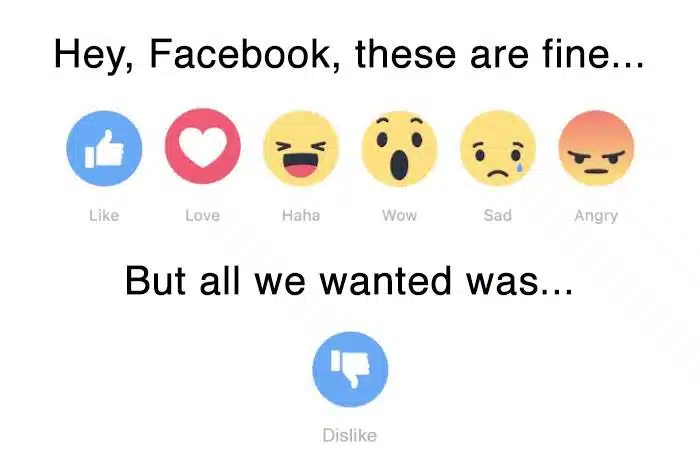
While Facebook’s simple “Like” or “Share” buttons did the deed, the company decided it was time for much needed change.

According to USA Today, acknowledging that “like” isn’t the right sentiment for every occasion, the giant social network is offering new options. Reactions, five emoting emojis, started rolling out to Facebook’s nearly 1.6 billion users around the globe Wednesday. Whether or not you’re thrilled with the idea or not, the new Facebook enojis are here to stay. Here’s how you might use the emojis to your business advantage while interacting on the social media network.

How to Use the Facebook Emojis for Your Business

Now that you know how important emojis are, you can utilize them effectively for promotion. Your reputation is built not just on your goods, but also in your delivery and service. Your customers can learn much more about your company simply by seeing its engagement on social media channels. The next time you’re so inclined to leave a thumbs up, why not consider using one of these emojis on Facebook for your business?

Like--A perennial, the like button remains the easiest way to show your appreciation for a comment or a post. If you want to keep things simple and casual the thumbs up icon will remain available.

Love-Sometimes like just isn’t enough. Show your customer appreciation by loving their posts from time to time, especially during special events or after a positive business review.

Haha- Goodbye lol, hello emoji. Because who really laughed out loud all those times anyway? The humor emoji is perfect for lighthearted and spirited interaction with your audience.

Yay- Good news deserves to be shared. Whether it’s a simple post celebrating a new product launch, a success, or the beginning of a Friday, the yay button sends an encouraging and uplifting message to your Facebook followers.

Wow- How about that? Wow is a standing ovation for a job well done, impressive feats, and it’s a holy moly. No matter the reason for the inspirational emoji, it makes people feel good. So give them a wow.

Sad- Sadness is an emotion most creatures can relate to and depending on the circumstances, pulling on the heart strings is a surefire way to connect to your audience. If you’re posting videos, images or stories that are filled with experiencing this basic human emotion, what better way than to relate to your customers than using the new Facebook sad emoji in your comments or posts?

Angry- Did you experience a bad business review? Understanding why your customers felt compelled to dish things out over the internet can tell you a lot about your business. If customers feel you’re on top of your customer service game they’re more likely to express their dissatisfaction in person, before taking things to social media. But it still happens. Sometimes people don’t want apologies, refunds, or to offer a business a second chance. They simply want to share their experience as a fair warning to future customers. While it may be tempting to leave an angry icon in reply to a criticism or bad review posted on your Facebook business page, it’s really not best practices.

How Emojis Can Help You Understand Your Audience

During Facebook’s testing of Reactions emoji, Facebook will treat them just like a Like when it comes to ranking posts in the News Feed algorithm.

“Our goal is to show you the stories that matter most to you in News Feed,” Facebook product manager Chris Tosswill wrote in a News Feed FYI post. “Initially, just as we do when someone likes a post, if someone uses a Reaction, we will infer they want to see more of that type of post. We will spend time learning from this initial rollout and iterate based on findings in the future.”

Evaluating customer emojis will help you understand which social posts grab their attention. This means when you see a love, you might just want to keep doing whatever you’re doing.

Why the Change

Wondering why Facebook decided to get so emotional? “Not every moment you want to share is happy,” CEO Mark Zuckerberg wrote in a Facebook post. “Sometimes you want to share something sad or frustrating. Our community has been asking for a dislike button for years, but not because people want to tell friends they don’t like their posts. People want to express empathy and make it comfortable to share a wider range of emotions.”

“We have been very intentional about really understanding what people are trying to communicate on Facebook right now and how can we make that easier,” said Tom Alison, engineering director of News Feed.

For years, Facebook resisted giving users an alternative to the “like” button, namely a “dislike” button. But the lobbying only intensified as more people used Facebook on mobile devices and clamored for quicker and easier ways to comment.

Interacting with your customers couldn’t get any easier. Now that Facebook emojis are officially unveiled, you should soon begin to see different sorts of activity on your pages. Use these new tools as a way to approach new customers while encouraging repeat traffic, and see what Facebook can do for your business.

What do you think? Like? Dislike? (Nevermind) Or LOVE?

Best Advice for Digital Marketing and Growing a Social Media

Whether you’re wondering how to ensure that consumers can find your business online, or need a few tips to boost your company’s social media presence, the following advice for digital marketing and social media will serve you and your customers well.

Best Advice for Digital Marketing and Social Media

Optimize Your Website

If your business isn’t easily located online, people won’t find you. A website that’s been fully optimized for search results is crucial if you want to attract new andrepeat business. A mobile-friendly website loads faster and displays correctly. If people are turned off by your website after they click, away they go…

Use Correct Metadata

If your website is outdated, your metadata probably needs to be cleaned up as well. Incorrect metadata can influence your ratings and, in turn, affect your search visibility. Go through your tags and descriptions and see if anything needs updating to reflect the content of your page or your business.

Go Local

Customers love to read online business reviews. Attract more locals in your area by optimizing your website with keywords and local happenings in your town. Your geographical location should be part of your site content along with your address so that your business can be discovered through a combination of local search strings and relevant keywords.

Be Social

Once you build your local business you’ll want to be social to stay in touch with your regular customers to encourage their repeat business, and of course, promote all of the events of your company. Social media management is a crucial part of your online marketing strategy and you should go at it with a good plan as to which social media channels you will be active on (Pinterest, LinkedIn, Facebook, etc.) and the frequency in which you plan to post content. You’ll want to share the most useful and relevant content for your readers if you want to increase page engagement and shares.

Blog

Creating web content is one of the best ways to drive regular web traffic to your site. If you don’t have a blog, now is the time to re-think that. Posting a weekly or daily blog keeps your ranking fresh in search results. The more stagnant your website, the fewer visitors you reach. If you’re not creating engaging web content you should consider hiring a professional that can turn out blog articles that are informative, interesting, and that centralizes on the keywords and the theme of your industry.

Promote Content

Once you have your blogs you’ll need to promote them. This means you’ll need to publish your web content on social media networks. In addition, you should continue to promote your older, evergreen content as often as possible. As long as your shared content is still useful and beneficial, there’s nothing wrong with keeping strong blogs in rotation.

Keep Trying

No matter what your plan of attack is when it comes to promoting your business, the best advice for digital marketing and growing a social media presence is to be patient, analytical, and crazy enough to make a few changes as you see necessary. Successful digital marketing is a combination of both creativity and science. What works for one business might not work for your own brand. It’s best to get to know your audience and learn exactly why they research or buy from businesses like yours, and then connect with them.

Spend the time to research and analyze your efforts. Find our which published blog posts brought in the most traffic, for example, or determine which days your social traffic is most active. When you promote your business locally and then make the effort of maintaining a social presence, you position your brand for long-term success and encourage loyal shoppers. To encourage new customers, make sure your business website is always growing. An active, well-maintained and well-ranked web site is an indication of a strong and vibrant company that consumers are eager to do business with. You can’t get a better review than that! (Or at least that’s what Google thinks.)

Do you have a piece of digital marketing advice you’d love to share? Leave us a comment below. If you need to amp up your social presence or update your company’s website to a new and improved mobile-friendly version, please contact gotcha! Mobile Solutions today.

9 Reasons Why You Should Love Local Businesses

gotchaSEO

The following list of why you should love local businesses serves as a reminder that the little shop down the street, might need a little TLC. You don’t know what you got till it’s gone. Remember that. So instead of filling up your coffee cup with a Mocha-Lava-Java-Hot-Cuppa-Love at the big “S” this Valentines Day weekend, stop and smell the beans at a little charming coffee shop, and show your love!

9 Reasons Why You Should Love Local Businesses

There are many different reasons you should love your local businesses. Admit it, you’ve been shopping online, waiting for the UPS man, and heading out to Target on the weekends. Shame on you. Go buy a kite from the local toy store and instead, go outside to play. These are all the reasons a local business can brighten your day:

1. Accessible- Wrong size? Not a problem. While the modern convenience of ordering online has its perks, purchases such as clothing often find themselves in the return pile thanks to poor craftsmanship, quality, or a bad fit. Returning purchases adds not only to the original cost of the purchase when considering shipping expense, shoppers lose time as well. Local businesses are accessible throughout the week during their normal business hours. Poor quality or unwanted merchandise can usually be returned in person for an immediate exchange or refund. Spending your money at an accessible business is often a safer bet than dealing with online retailers.

2. Trust- Local businesses don’t have the luxury of conversing with customers over the computer, out of sight and out of mind. Instead local businesses have to stay involved with their customers to encourage repeat business. They have to go above and beyond the normal call of duty to please each and every customer. Most small businesses rely heavily on their reputation and a bad business deal is never desired. Local businesses work hard to earn the trust of their customers and are more likely to appreciate loyal shoppers.

3. Reliability- What you see is what you get when it comes to most local businesses. Unlike large corporations that might stake false claims or over promise and under deliver, a small local business tends to operate in a reliable manner. If they want to keep their doors open and their customer base returning, reliability is key for any business.

4. Build community- Small businesses help to build local communities. Imagine that small little town that was practically asleep before the local coffee shop opened its doors and woke the streets up. Local establishments provide a place for community members, neighbors and friends to gather and meet. Becoming the local hangout doesn’t mean you have to offer the best product or even the most competitive pricing, often it is just a matter of becoming that favorite place for people to go. If you patronize a company that helps build community, you’re showing your appreciation for the efforts and expenses that business incurs to provide your town a place to call home.

5. In the family- Many people support local businesses because they know the owners like family. Or perhaps they ARE family. Generational businesses are popular within small communities because they have been around for a very long time. Pairing that will all the other qualities that make a good business, such as reliability, trust, and accessibility, established businesses also offer a nostalgic connection to friends and family members.

6. Customer service- How often have you heard a bad review regarding customer service from a well-established local business? Not often. Even when issues arise regarding quality or expectations, most professional and trustworthy local business owners know they can’t tell off their patrons without consequence. Customer service is key in building rapport within your community and that means service is usually served up with a smile.

7. Competitive- Local businesses know they have to fight for their dollar. This means they’ll often be much more competitive amongst one another, as well as with online competitors. If they can’t match prices a local business might offer a different perk such as a better selection, or even a more reasonable return policy. If it can be done most local businesses will offer a perk for going local, and for coming back. Find out if your favorite business offers any shopper rewards and be sure to sign up for emails or download mobile apps that keep you connected with store specials and promotional events.

8. You’re loyal- Many people love their local businesses simply because they’re loyal. It wouldn’t matter if the largest and best bookstore opened up around the corner, a loyal shopper knows that the dusty shelves of their favorite used book store is still abundant in worth. From the well-trained sales staff to the family-oriented special in-store events, local shops have that special charm that make them more inviting. What can your business do to create atmosphere?

9. Unique- Some things you just can’t find online. This is especially true when you’re dealing with a unique local business that stocks and sells exactly what you’re looking for. Shopping locally provides the opportunity to build relationships with business owners, who can then work harder to earn your repeat business by stocking the things that you love. Take the time to get to know your local merchants and help keep their doors open by asking for what you want, and then going to get it!

Build Better Business with Local SEO

Do you know where locals go when they want to make a purchase? They look at their phones. Whether it’s Googling a business review or checking directions for an establishment, local shoppers let their fingers do the discovering, and nobody cares about the Yellow Pages anymore. If your business if not listed in search results on the internet, local shoppers will not see your establishment’s name, location, contact information, or anything about your brand. Small local businesses need a Local SEO program to ensure business is healthy with an online presence. Do you need help positioning your brand locally? Contact gotcha! Mobile Solutions today.

7 Reasons Why Your Website Needs to Be Mobile Friendly Now

dallas marketing

The internet has largely contributed to how we do things. And because of this, its usage has also vastly changed over time. The technologies used a few years ago may no longer be as useful as they are today. Moreover, the media people use to access the internet has changed. They no longer have to log into a computer to look for information. Instead, information is delivered straight to them through their smartphones, tablets, and smartwatches.

With these changes in place, it is so important for business owners to keep up with the times and have a website optimized for mobile use. Not to mention, Google has rolled out a mobile-friendly algorithm update that improves search rankings of businesses that have a mobile-friendly website. If you have implemented such a website, you’ll know that this is vital to your success. Otherwise, you might want to consider preparing your website to be mobile-friendly. Here are some reasons why:

You reach more people

Studies show that 58 percent of American adults have a smartphone,and teenagers also have their own devices. Just think of how many people you can reach with your website if it has been optimized for these devices.

People are making more purchases from mobile devices

Studies show that there is a higher number of shoppers who make purchases through their mobile devices as opposed to a computer or a laptop. You need to tap into this market so you can make your business visible to them.

It loads websites faster

A website that has not been optimized for mobile will load very slowly, if at all. In comparison, a mobile-friendly website loads quickly because its codes have been structured in a compatible format. And, as studies show, website users tend to abandon a website if it takes more than 10 seconds for a page to load. This is definitely something that could be damaging to your website.

It provides a better experience for the user

One good thing about optimizing your website for mobile is that when a user wants to open a link to your website, it will load on his browser without any problem. If a website is not mobile-friendly, it will take a long time to load and can be difficult to navigate. This is a big turn-off to mobile users who want to have information provided to them as soon as possible. If it takes a long time to load your page, you will lose their attention.

Customers spend a longer time on your website

Another advantage you get with a mobile-friendly website is that your visitors will spend a longer period of time on your site. If your website can be easily navigated by people, you encourage them to stay on your website and check out more of your content. And if you are trying to sell something, this can easily convert your web visitors into customers.

Gives you a competitive edge

There is a good chance that your competitors already have a website that has been optimized for mobile. But there is also a chance that their website is not as responsive as it should be. If you want your business to have a good rank on Google Mobile Search, you have to take that first step and invest in a mobile-ready website. This is especially important for local businesses.

Take advantage of free tools

Apart from giving you a high rank on Google Search, you can also make use of Google’s tools for your business. One of these tools is the Click-to-Call feature which is available on mobile devices such as smartphones and tablets. With this feature available, users can easily get in touch with you by simply tapping on their screen.

The absolute best way to encourage new customers and repeat visitors is to ensure your website is mobile-friendly. Need help? Contact gotcha! Mobile Solutions today.