Inbound Marketing Services
Inbound Marketing vs. Outbound Marketing: What Works Best in 2025?
Discover the winning blend of inbound and outbound marketing strategies for 2025. Learn how to captivate audiences and drive engagement with innovative tactics that adapt to the evolving digital landscape.
Jan 26, 2026
9 min read
TLDR
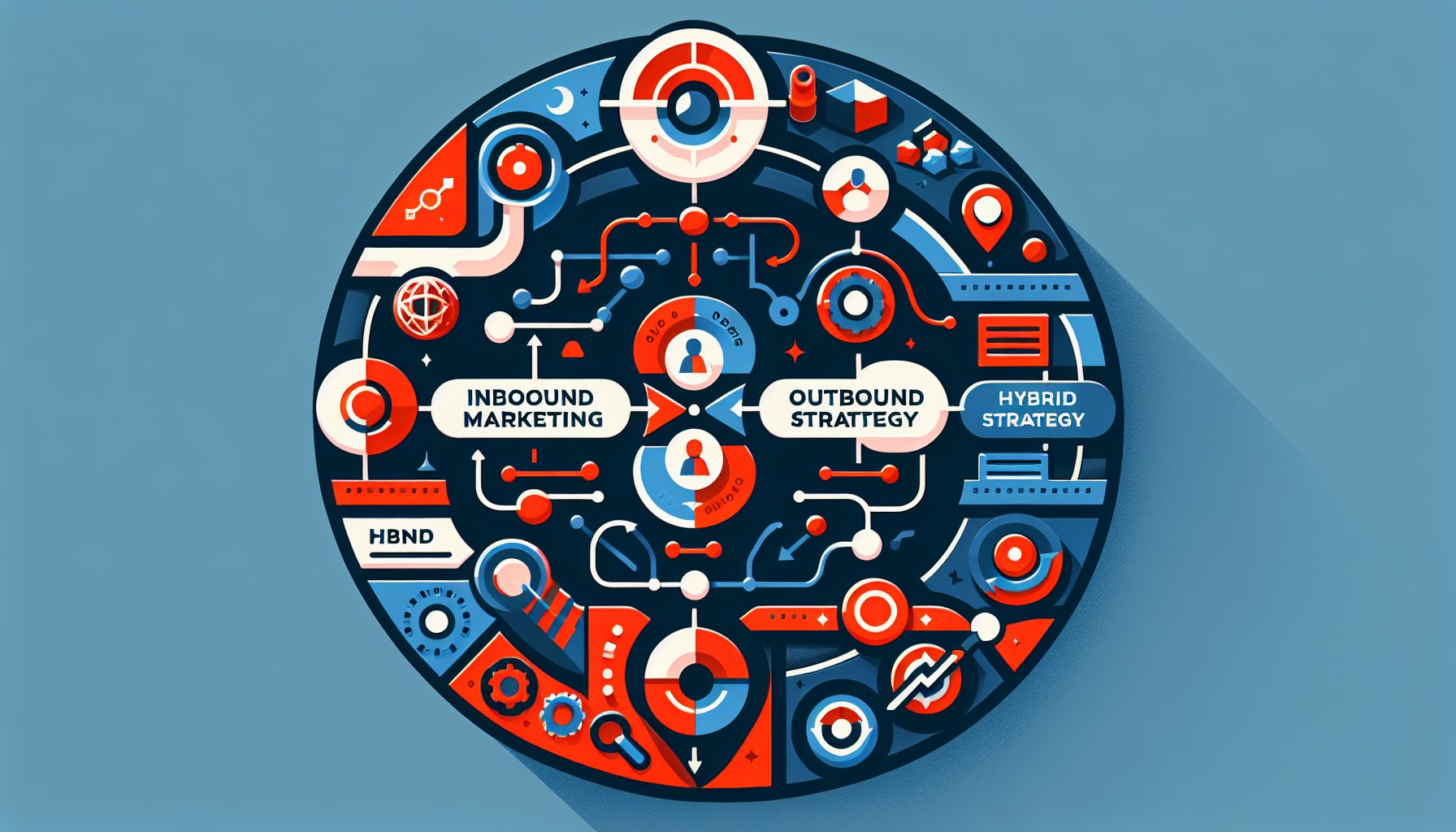
In 2025, the marketing game isn't about choosing sides in the inbound vs. outbound marketing debate, it's about creating a dynamic duo. Inbound marketing woos audiences with valuable, tailored content that builds trust over time. Meanwhile, outbound marketing charges onto the scene with bold, attention-grabbing campaigns that generate instant visibility. The secret sauce lies in blending these strategies to connect deeply with consumers while also capturing their attention. As technology advances and the digital marketing landscape shifts, the real winners will be those who adapt their tactics to incorporate hyper-personalization and seamless integration of both methods. Gotcha! Mobile Solutions is already setting the stage for success by balancing both approaches with transparency and ethical practices.
Navigating the Marketing Frontier: Inbound vs. Outbound in 2025
As we hurtle towards 2025, the marketing universe is speeding along at a breakneck pace, thanks to the ever-twirling cogs of tech, fickle consumer habits, and a fiercely competitive environment. Amidst this whirlwind, marketers wrestle with a pivotal question: Who's the real MVP, inbound or outbound marketing? Spoiler alert: The answer lies in the context.
Inbound marketing is like a friendly librarian, quietly suggesting the perfect book that answers all your questions without even being asked. It invites customers in with content that intrigues, educates, and resonates, be it blogs, webinars, or videos. As our hunger for self-serve digital experiences grows, inbound marketing gets to bask in the limelight. Brands that master this dance report not just followers and likes, but real-deal loyalty.
Meanwhile, outbound marketing is that charismatic street performer who dazzles you with an unexpected show, getting straight to the point with bold ads and emails. It’s all about making a splash when launching new products or entering new markets. In a sea of noise, it takes a savvy storyteller to craft a message that sticks, and that's no small feat.
In 2025, crafting a marketing strategy without these two dancing in tandem would be like trying to tango solo on a crowded floor. A nimble startup might flaunt its outbound feathers to make an entrance, while a veteran company deepens its inbound roots. The magic often happens in the mix, a hybrid strategy that harnesses the immediacy of outbound with the enduring charm of inbound to spin campaigns into stories and followers into fans.
The Great Marketing Debate
As we set the stage for 2025, the marketing landscape looks like one of those "Choose Your Own Adventure" books, teeming with possibilities shaped by consumer whims and digital miracles. The debate, Inbound vs. Outbound, isn’t just a squabble over tactics. It’s an existential query: in a world brimming with choice, which path truly resonates with audiences?
Inbound marketing is, at its heart, a master of the slow game, a nurturer of trust, coaxing leads with insightful content. A small SaaS company that crafts solution-centric blog posts for project management challenges can tell you, it’s like planting seeds that sprout leads, all with minimal pestering. Yet, many marketers find themselves in a content crunch, striving to produce the gems that stand out in an overstuffed content café.
Then there's outbound marketing, the misunderstood anti-hero, swooping in with flashy ads and calls that aim to captivate at lightning speed. Picture an e-commerce startup launching eco-friendly products: target those ads right, and you’ve got yourself a visibility wildfire. However, sustaining that blaze requires a subtlety that marries compelling storytelling with the chutzpah to cut through the clutter.
As Michael Maximoff cleverly observes, outbound marketing is about saying, "Hey, let's be friends," while inbound asks, "How can we make this friendship meaningful?" The real magic in 2025, however, won't come from picking sides but from crafting a strategy that's a symbiotic blend of both, each playing to its strengths, tuned to the unique rhythms of the market.
The Inbound Renaissance: How Content Captivates in a Crowded Market
In the bustling bazaar that is modern marketing, inbound marketing isn’t just setting up shop, it’s the vibrant stall drawing you in with its compelling wares. Inbound is about connecting through content that doesn’t just inform but captivates, creating an ecosystem where brands and customers flourish together. Imagine a customer searching for a software fix and stumbling onto a blog post that speaks directly to their problem, offering solutions without a sales pitch. That’s the magic of inbound: answering questions before they're even asked.
For brands like Gotcha! Mobile Solutions, the inbound approach has become an influential tool, crafting educational resources that not only solve user problems but position the brand as an industry sage. It’s about transforming passive receivers into active seekers, fostering a relationship where trust precedes transactions. In a market where options are endless, quality content becomes the golden ticket, inviting engagement and fostering communities steeped in trust.
Outbound Marketing
Outbound marketing, often dismissed as a relic of the past, still carries the torch for immediate visibility in 2025. Imagine launching a new product line and using everything from social media ads to billboards to shout it from the rooftops. Outbound is about making your presence felt, fast, and furiously. But there’s nuance here, it's not just about casting wide nets but weaving captivating stories that spark curiosity and conversation.
Even as ad-blocking and data privacy concerns mount, outbound marketing has a role to play. When executed with finesse, it serves as the opening chord that gets people listening, paving the way for deeper inbound symphonies to follow. For brands ready to launch with a bang, outbound marketing offers that crucial first burst of awareness, which, if wisely paired with inbound strategies, can transform initial curiosity into enduring engagement.
Data-Driven Decisions
In the realm of marketing, if knowledge is power, then data is your ticket to superpowers. In 2025, marketers are no longer guessing what works, they're pinpointing strategies with surgical precision. Inbound marketing thrives on data, transforming random clicks into personalized journeys tailored to user needs. Consider a company that uses analytics tools to track which blog posts are generating buzz and refines its content strategy in real-time. That’s inbound marketing in its element, adaptive, responsive, and ever-evolving.
Outbound marketing, while still a formidable force for generating rapid visibility, needs data to sustain momentum. Metrics like open rates are a start, but the real insights come from understanding sentiment and engagement on a deeper level. For brands, the challenge, and opportunity, lies in blending these data-driven insights into a cohesive strategy that balances the initial spark of outbound with the personal touch of inbound.
The Customer Journey 2025
Mapping the customer journey in 2025 is akin to charting a star-filled night sky. Each twinkle represents a potential touchpoint, an opportunity to build trust, guide decisions, and create advocates. Companies like Gotcha! Mobile Solutions are designing pathways that seamlessly guide customers from the first glimpse of curiosity to the final act of conversion.
An intricate dance awaits brands as they balance the direct interactions of outbound marketing with the storytelling allure of inbound. Today's consumer is more than a buyer; they’re an active participant in their journey. Companies that understand and map this journey thoughtfully, integrating the right touchpoints, will be the ones that not only attract but also retain loyal customers.
A Technological Odyssey: Tools and Platforms for Future Success
As we navigate the marketing galaxy of 2025, platforms like Pardot, Marketing Cloud, and HubSpot are your trusty starships, guiding brands through the cosmos. Each platform comes with its unique capabilities. Pardot excels in nurturing leads, Salesforce Marketing Cloud orchestrates grand-scale campaigns, and HubSpot combines inbound ingenuity with outbound efficacy. Choosing the right tool isn't just about bells and whistles, it's about aligning with your strategic goals to create a marketing symphony that captivates.
The Human Element: Building Relationships in a Digital-First World
At the heart of marketing lies the undeniable truth: it's all about people. As we embrace 2025, the human element becomes pivotal. Inbound marketing shines with its ability to foster relationships through genuine value, transforming followers into lifelong fans. Meanwhile, outbound marketing must evolve, crafting messages that resonate with basic human emotions to transform fleeting attention into lasting loyalty. Whether inbound or outbound, it’s about creating dialogues, not monologues, and building a community where every interaction counts.
Case Studies on the Horizon: Lessons from Brands Pioneering the Future
Gotcha! Mobile Solutions is leading the charge in innovative marketing, blending inbound and outbound strategies to craft campaigns that resonate. By creating content that addresses customer pain points and using targeted outreach for product launches, Gotcha! is redefining modern marketing. Their approach reveals an essential truth: effective marketing in 2025 isn’t about choosing sides but leveraging the best of both worlds.
Ethics and Accountability: Transparency in Marketing Practices
In 2025, transparency isn’t optional, it’s a non-negotiable. Brands that lead with ethics and accountability foster trust and loyalty in an increasingly discerning consumer base. Inbound marketing thrives on transparency by offering value without strings attached, while outbound marketing must rise to the challenge of creating authentic connections without overstepping consumer boundaries. The brands that succeed will be those that balance the immediacy of outreach with the depth of genuine interaction.
Beyond 2025
Looking beyond 2025, the marketing landscape promises even more transformation. The key? Hyper-personalization. As AI and data analytics advance, brands will increasingly tailor their strategies to create meaningful, real-time interactions. Inbound and outbound marketing will not only adapt but converge, leveraging tech-driven insights to create campaigns that engage deeply and authentically. The future isn’t about picking a side; it’s about forging paths that resonate, all while staying agile enough to pivot when the next wave of change rolls in.

 13355 noel road, suite 1100

Need Help?
Check out these related products that can help:

Other Articles You Will Like
Inbound Marketing Services
Inbound Marketing Services Defined: The Essential Toolkit for Modern Marketers
Discover the essential inbound marketing services that every modern marketer needs. Learn how to attract, engage, and delight your audience while leveraging CRM, analytics, and SEO for success. Equip yourself with the ultimate toolkit for thriving in today's digital landscape.
Feb 21, 2026
Read More

Inbound Marketing Services
A Beginner's Guide to Inbound Marketing Services: Definitions and Benefits
Discover the essentials of inbound marketing services in this beginner's guide. Learn how to attract, engage, and convert customers while building trust and efficiency in your marketing strategy.
Feb 21, 2026
Read More

Inbound Marketing Services
Understanding Inbound Marketing Services: A Step-by-Step Explanation
Explore 'Understanding Inbound Marketing Services: A Step-by-Step Explanation' to learn how to attract and nurture customers through storytelling, SEO, and analytics. Discover the future of marketing with personalization and AI for lasting success.
Feb 20, 2026
Read More
Inbound Marketing Services
What Are Inbound Marketing Services? A Comprehensive Guide
Discover the transformative power of inbound marketing services in our comprehensive guide. Learn how to attract, engage, and delight your audience while building lasting relationships. Explore strategies that turn passive customers into active participants!
Feb 20, 2026
Read More
Inbound Marketing Services
Measurable Success: How Inbound Marketing Services Enhanced Conversion Rates
Discover how gotcha! Mobile Solutions transformed their conversion rates through strategic inbound marketing services. Learn about their innovative approach, data-driven decisions, and real-time engagement strategies that led to measurable success.
Feb 20, 2026
Read More
Inbound Marketing Services
Top Inbound Marketing Strategies Every Business Should Adopt in 2025
Discover the top inbound marketing strategies every business should adopt in 2025. From AI-driven personalization to compelling storytelling, learn how to thrive in a competitive landscape and build lasting customer loyalty.
Feb 19, 2026
Read More
Inbound Marketing Services
Inbound Marketing Services 101: Understanding Their Importance for Your Brand
Discover how Inbound Marketing Services 101 can transform your brand's engagement strategy. Learn the importance of buyer personas, compelling content, and analytics for building lasting customer relationships.
Feb 19, 2026
Read More
Inbound Marketing Services
Busting the Myths: Inbound Marketing Services Explained for 2025
Explore the transformative power of inbound marketing services in 2025. Learn how to build authentic connections and leverage AI for meaningful engagement. Ditch outdated tactics and embrace the future of marketing with the 'Gotcha! Way'.
Feb 19, 2026
Read More