Inbound Marketing Services
How to Measure the Success of Your Inbound Marketing Services
Unlock the secrets to evaluating your inbound marketing services. Discover essential metrics, KPIs, and strategies to gauge success and drive sustainable growth. Learn how to focus on what truly matters for your business.
Jan 24, 2026
7 min read
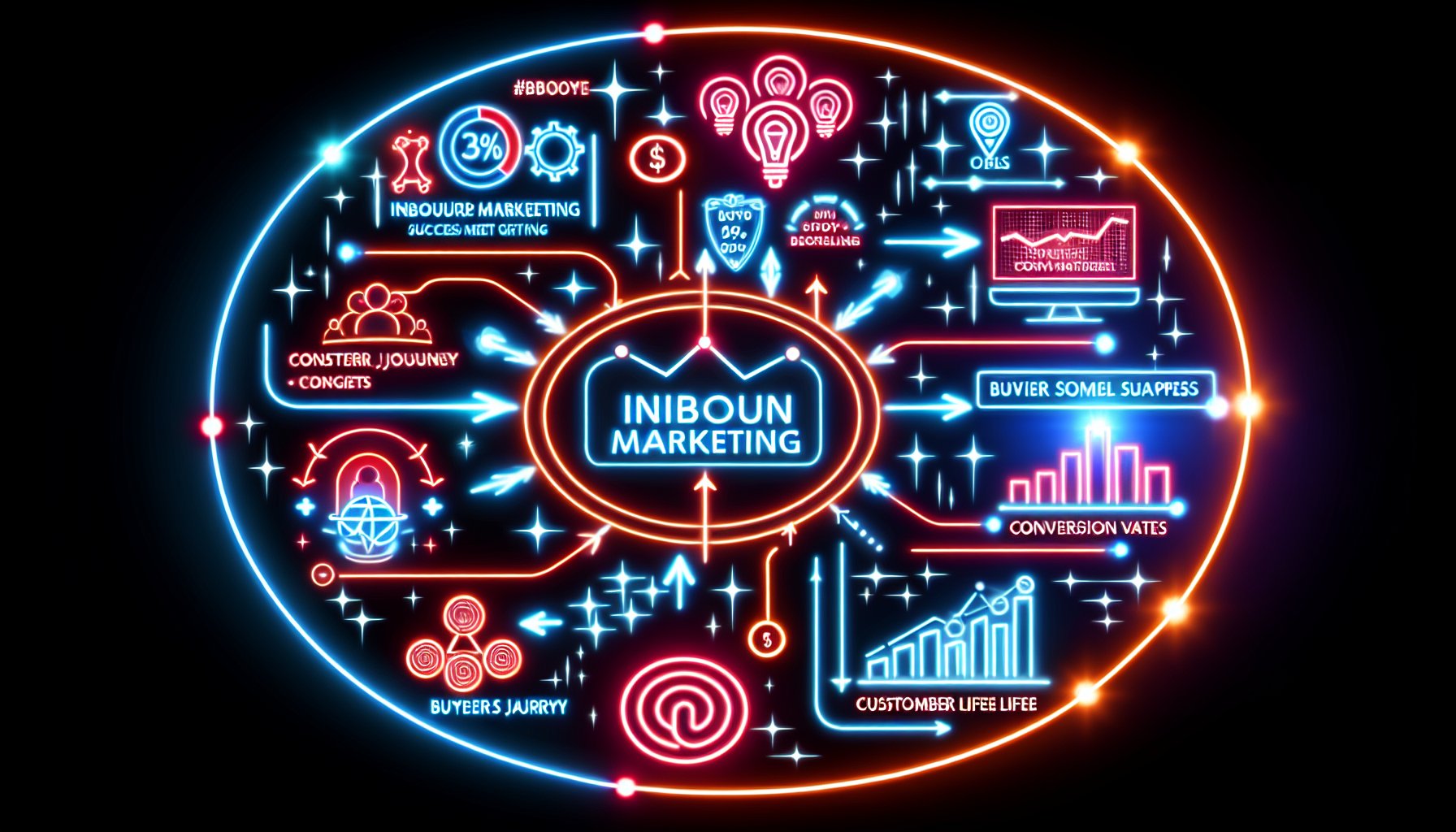
How to Measure the Success of Your Inbound Marketing Services
Ah, inbound marketing, the slow-burn romance in a world obsessed with fast-food-style results. It’s the marathon runner alongside the sprinter of paid advertising. But how do you measure the success of a strategy that’s more about planting seeds than reaping immediate rewards? Strap in, because it’s a nuanced journey that requires patience, strategy, and maybe a sprinkle of coffee-fueled late-night insights.
Navigating the Success Metrics Maze
Imagine being at a carnival. There are flashy lights, thrilling rides, and games that promise big stuffed animals. In the world of marketing, these are your vanity metrics: website clicks, social media likes, and email opens. Exciting at first glance but not necessarily indicative of long-term success. What companies like Gotcha! Mobile Solutions have realized is that the real prize lies in the subtle art of building trust and loyalty over time, it’s the slow clap rather than the standing ovation.
The golden key to this long game is understanding that inbound marketing is all about the buyer’s journey. Whether it’s a blog post that piques interest, a social media interaction that warms the heart, or an email that nudges someone down the funnel, every touchpoint matters. Metrics like lead quality, conversion rates, and customer lifetime value are your guiding stars here, they illuminate the path to genuine connection and, eventually, revenue growth.
The Inbound Marketing Paradigm Shift
If you’ve ever felt the tension in a meeting room full of high-level execs staring you down for results, you’re not alone. The traditional metrics might capture their attention, but inbound marketing invites a different perspective. It’s a paradigm shift, a move from counting clicks to cultivating relationships.
Consider inbound marketing as your strategic garden. You plant with purpose, nurture with content, and watch as those seeds of trust blossom into conversions and long-term loyalty. It’s a strategy that relies not on instant feedback but on the rich soil of trust built over time. This means focusing on metrics that truly matter, conversion rates, return on investment, and the quality of your leads.
KPIs That Count: Beyond Vanity Metrics
We’ve all been there, caught in the allure of impressive-looking numbers on a slide deck. But when the CEO asks, “How’s marketing really going?” those numbers can fall flat. True success lies in KPIs that reflect real impact.
Instead of obsessing over page views, hone in on lead conversion rates. Customer acquisition cost versus customer lifetime value? Now there’s a KPI worth tracking. And ROI? Well, proving it might be tricky, but it’s essential for showcasing the financial benefits of your inbound efforts. Remember, inbound marketing is more of a thoughtful waltz than a head-banging rock concert.
The Buyer’s Journey: Mapping Metrics to Stages
The buyer’s journey is like a three-part play: awareness, consideration, decision. Each act is pivotal, each one requiring its own set of metrics to measure success.
In the awareness stage, it’s about grabbing attention and educating potential customers about their needs. Think organic search traffic, website engagement, and social media buzz. As they move into the consideration stage, it’s time to evaluate engagement depth, how many are downloading your case studies or spending time on comparison guides? Finally, in the decision stage, conversion rates and the effectiveness of sales enablement materials take center stage. It’s about turning those engaged leads into paying customers who sing your praises.
Lead Scoring: Quality Over Quantity
Picture a bustling bazaar, where vendors shout to attract passersby. Your job is to spot the ones most likely to become loyal patrons. Enter lead scoring, a way to prioritize quality interactions over sheer numbers.
Assign numerical values to leads based on their engagement. Did someone download your white paper and engage with a follow-up email? They’re worth more than the casual browser. This approach ensures your sales team focuses on the leads that matter, fostering deeper relationships and ultimately, sales.
Tools of the Trade
A magician is only as good as his tricks, and in inbound marketing, your toolkit is key. Platforms like HubSpot and Google Analytics turn chaotic data into actionable insights, enabling you to track metrics and guide strategic decisions.
Automation tools further enhance engagement, ensuring your messages reach the right people at the right time. And with social media analytics, you get a real-time view of audience dynamics. In this digital age, those who wield technology effectively will lead the way.
Content Performance: The Heartbeat of Inbound Marketing
Content is the lifeblood of your inbound strategy. It’s the engaging story at dinner parties that keeps everyone hooked. But how do you determine its effectiveness?
Ditch those vanity metrics and dive deeper. Are your blog posts converting readers into leads? Is your messaging resonating with your audience? Time on page and bounce rates can offer clues. Remember, it’s about creating connections that lead to loyalty, not just clicks.
ROI Unplugged: Calculating True Return on Inbound Investment
Proving ROI in inbound marketing feels like trying to catch a shadow. But it’s not impossible. Shift your focus from vanity metrics to metrics that matter, those that reflect revenue and business impact.
Establish a clear definition of revenue generated through inbound tactics. And remember, ROI isn’t just a number. It’s a launchpad for deeper inquiries, are you meeting benchmarks? Is your strategy aligned with broader goals? In the world of trust-driven marketing, ROI is about more than dollars and cents; it’s about building genuine relationships.
Customer Feedback: The Untapped Metric of Success
Amid the sea of metrics lies an often-overlooked gem: customer feedback. It’s not just about surveys or testimonials. It’s a window into genuine experiences, a roadmap for refining strategies and driving growth.
Feedback reveals customer sentiment and behavior. It’s a conduit for trust-building, where addressing concerns can turn discontent into opportunities for brand strengthening. So, listen actively and act on those insights. You’ll foster long-term relationships that drive sustainable growth.
Continuous Improvement: The Feedback Loop of Success Metrics
Success in inbound marketing is a journey, not a destination. It’s about creating a feedback loop, evaluating strategies and adapting to new insights.
Move beyond vanity metrics and focus on those that align with revenue and engagement. Embrace experimentation and leverage cross-department collaboration. With SMART goals, you create benchmarks that drive meaningful discussions and decision-making. It’s a cycle of continuous improvement that leads to deeper connections and growth.
Future-Proofing Your Metrics Strategy: Trends and Predictions
As digital landscapes evolve, future-proofing your metrics strategy is essential. AI and machine learning are transforming analytics, enabling real-time insights. Personalization will drive engagement metrics, while omnichannel marketing analytics offer a holistic view of customer interactions.
And with data privacy regulations on the rise, ethical practices will be paramount. Embrace these trends, and you’ll not only stay relevant but lead the charge in a dynamic marketing world.
TL;DR:
Inbound marketing is about playing the long game, building trust and loyalty over time. To measure success, move beyond vanity metrics and focus on KPIs that reflect real impact, like conversion rates and customer lifetime value. Understand the buyer’s journey, prioritize lead quality, leverage technology, and listen to customer feedback. Embrace continuous improvement and future-proof your strategy with AI and omnichannel analytics. In the world of inbound marketing, the key is not just measuring success, but defining what success means for your organization.

 13355 noel road, suite 1100

Need Help?
Check out these related products that can help:

Other Articles You Will Like
Inbound Marketing Services
Inbound Marketing Services Defined: The Essential Toolkit for Modern Marketers
Discover the essential inbound marketing services that every modern marketer needs. Learn how to attract, engage, and delight your audience while leveraging CRM, analytics, and SEO for success. Equip yourself with the ultimate toolkit for thriving in today's digital landscape.
Feb 21, 2026
Read More

Inbound Marketing Services
A Beginner's Guide to Inbound Marketing Services: Definitions and Benefits
Discover the essentials of inbound marketing services in this beginner's guide. Learn how to attract, engage, and convert customers while building trust and efficiency in your marketing strategy.
Feb 21, 2026
Read More

Inbound Marketing Services
Understanding Inbound Marketing Services: A Step-by-Step Explanation
Explore 'Understanding Inbound Marketing Services: A Step-by-Step Explanation' to learn how to attract and nurture customers through storytelling, SEO, and analytics. Discover the future of marketing with personalization and AI for lasting success.
Feb 20, 2026
Read More

Inbound Marketing Services
What Are Inbound Marketing Services? A Comprehensive Guide
Discover the transformative power of inbound marketing services in our comprehensive guide. Learn how to attract, engage, and delight your audience while building lasting relationships. Explore strategies that turn passive customers into active participants!
Feb 20, 2026
Read More

Inbound Marketing Services
Measurable Success: How Inbound Marketing Services Enhanced Conversion Rates
Discover how gotcha! Mobile Solutions transformed their conversion rates through strategic inbound marketing services. Learn about their innovative approach, data-driven decisions, and real-time engagement strategies that led to measurable success.
Feb 20, 2026
Read More
Inbound Marketing Services
Top Inbound Marketing Strategies Every Business Should Adopt in 2025
Discover the top inbound marketing strategies every business should adopt in 2025. From AI-driven personalization to compelling storytelling, learn how to thrive in a competitive landscape and build lasting customer loyalty.
Feb 19, 2026
Read More
Inbound Marketing Services
Inbound Marketing Services 101: Understanding Their Importance for Your Brand
Discover how Inbound Marketing Services 101 can transform your brand's engagement strategy. Learn the importance of buyer personas, compelling content, and analytics for building lasting customer relationships.
Feb 19, 2026
Read More

Inbound Marketing Services
Busting the Myths: Inbound Marketing Services Explained for 2025
Explore the transformative power of inbound marketing services in 2025. Learn how to build authentic connections and leverage AI for meaningful engagement. Ditch outdated tactics and embrace the future of marketing with the 'Gotcha! Way'.
Feb 19, 2026
Read More